Foreign exchange risk explained
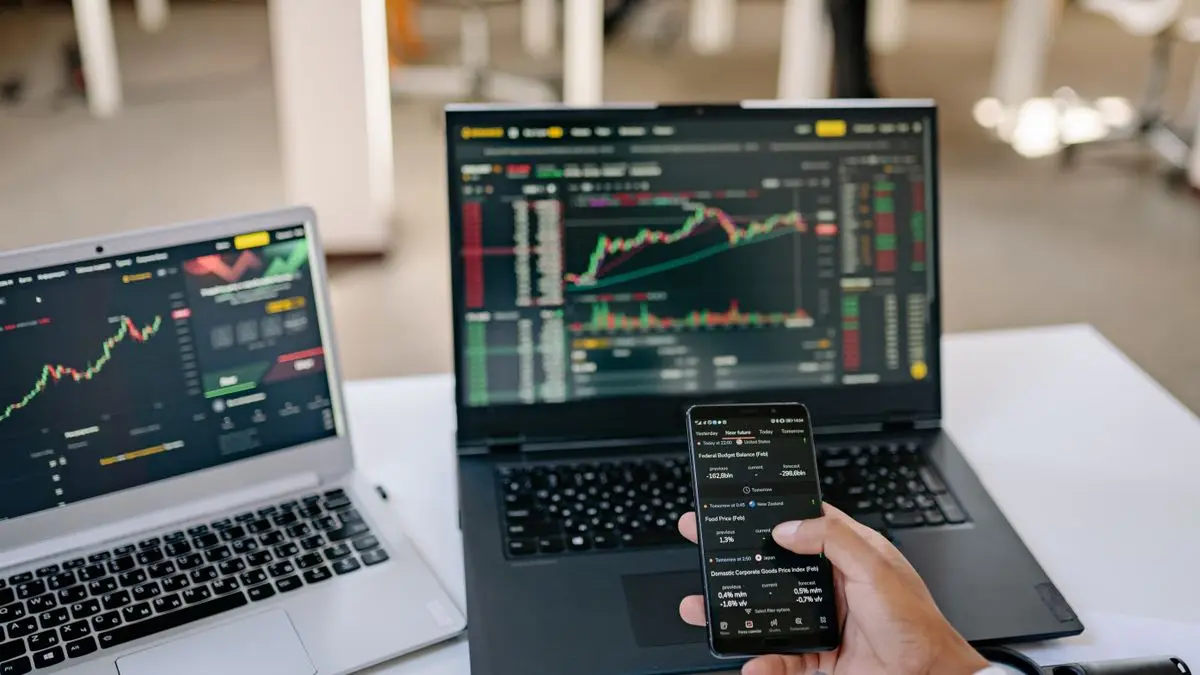
How currency moves turn into business risk
Foreign exchange risk, often shortened to FX risk or currency risk, is the chance that a change in exchange rates reduces what a business earns or makes it pay more than planned. It arises whenever a company sells, buys or owes money in a currency other than the one it reports its results in.
The risk builds up over time. A price is set, an invoice is sent and the money arrives weeks later. If the currency moves in between, the amount in your own currency changes even though the customer pays the same foreign sum.
Where the risk hides in a normal deal
Three gaps create most of the exposure:
- Quote to invoice: the price uses today's rate, but the invoice goes out later.
- Invoice to payment: customers often pay after 30, 60 or 90 days, so the rate on payment day can differ.
- Costs in other currencies: if you buy supplies or pay staff in a different currency from your sales, costs can move against revenue.
Each gap is a period in which the rate can move, and the longer the gap, the larger the possible change.
A simple example of a squeezed margin
Suppose a UK company agrees to sell goods for 100,000 US dollars, payable in 60 days, and prices the deal using the rate on the day of the quote. If the dollar weakens before payment, the same 100,000 dollars converts into fewer pounds, and the margin shrinks. If the dollar strengthens instead, the company gains. The example shows the risk works in both directions, which is why it is called a risk and not simply a loss.
Which businesses are most exposed
Exposure is highest where margins are thin, where foreign-currency sales or purchases are large compared with profit, and where payment terms are long. Exporters and importers, online sellers that price in several currencies and companies with overseas operations are common examples. A business that sells and buys in the same currency has little transaction exposure.
Common responses include pricing in your own currency, matching foreign receipts with foreign costs, and hedging with contracts. Read about the types of FX exposure, the natural hedge approach, and forward contracts.
Frequently asked questions
Is foreign exchange risk the same as a currency loss?
No. A currency loss is only one possible result. Foreign exchange risk is the uncertainty itself, because rates can move in your favour or against you between agreeing a price and receiving payment.
Can a small business avoid foreign exchange risk completely?
Usually not completely, but it can be reduced. Invoicing in your own currency moves the risk to the customer, shorter payment terms narrow the window in which rates can move, and matching foreign receipts with foreign costs builds a natural hedge. Financial contracts can lock in a rate, though they carry their own costs and obligations.