What Drives Oil Prices
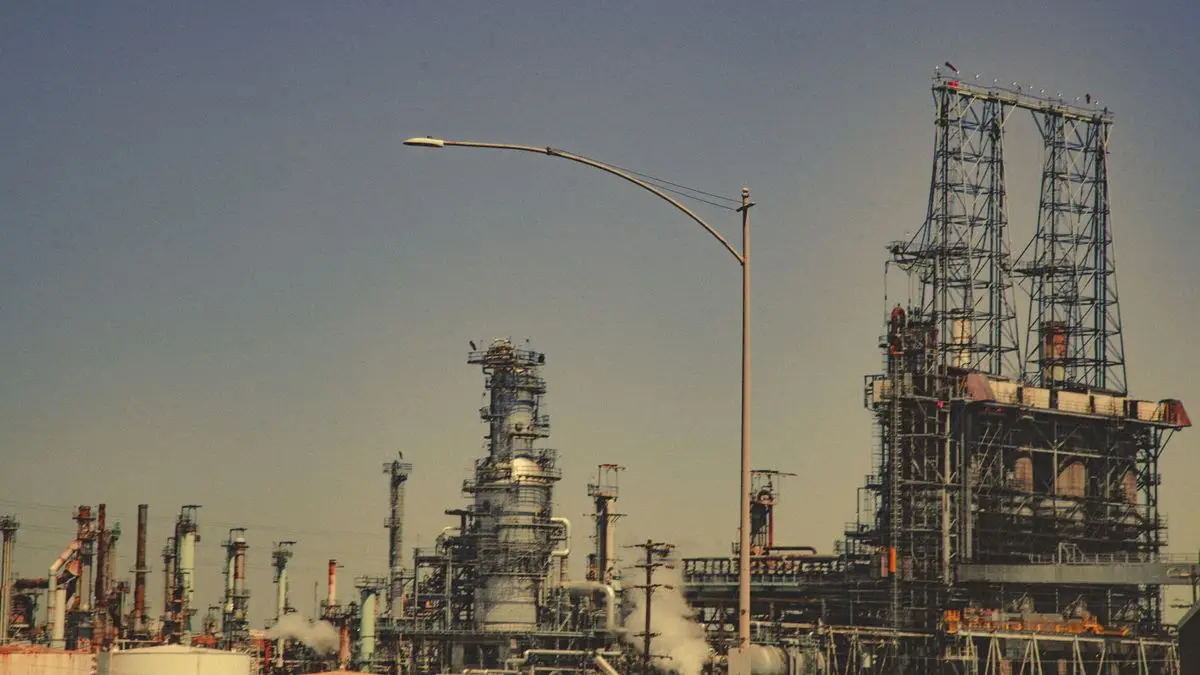
How supply and demand sway oil prices
The biggest force shaping oil prices is the push and pull between how much crude is brought to market and how much buyers want. If producers pump more oil than refineries and end-users need, stored inventories grow, and prices usually slip. Flip that around, if demand is outpacing supply, stocks get drawn down, so prices often climb. These shifts are rarely crystal clear; the balance gets estimated and prices can swing before official figures come out.
Crude mainly trades in US dollars worldwide, so what the dollar does matters. If you're paying with euros or pounds, exchange rates can change the bill. You can check the two main benchmarks in Brent vs WTI. A rising dollar can mean higher oil costs in other currencies, sometimes taking the edge off demand in those markets.
The role of OPEC+ and other oil producers
OPEC+ brings together OPEC countries with partners like Russia to coordinate how much crude they pump. When this group agrees to raise or lower quotas, it can put extra barrels onto the global market, or pull some back out. Given how much oil OPEC+ produces, its policy moves get close attention from traders and analysts.
Still, they’re not the only ones in the game. Output from outside OPEC+, such as US shale, responds to price signals, but there’s often some lag, wells can’t be switched on or off instantly. Countries like Brazil, Canada and Norway are also big contributors. Outages due to fighting, sanctions or even a hurricane can suddenly cut off flows and make prices jump.
How demand, storage and sentiment affect prices
Oil demand ebbs and flows with the economy, travel patterns, factory output and the fuels used for heating and electricity. If growth in the US, China or Europe slows, oil demand usually drops. Faster business activity sends it higher. Over time, efficiency standards and the adoption of electric vehicles can take a chunk out of long-term demand.
Physical stockpiles, held in tanks and storage sites, form a buffer. Thin inventories can make the market edgy, small shifts in flows cause larger price swings. There’s another twist: futures markets. Oil trades here as contracts for delivery at set dates and prices. Big moves by traders can briefly send prices up or down. You can see more on pricing structures in contango and backwardation. And don’t forget, headlines about conflict or political risk can quickly add a risk premium to the price, which might vanish just as fast.
Frequently asked questions
Does OPEC+ control the oil price?
OPEC+ exerts a lot of influence due to its production share, but it does not set oil prices on its own. Supply from outside the group, how much oil is being stored, changes in demand, and global events all weigh in. Sometimes quota changes don’t have the intended effect, and not every member sticks to what’s agreed.
Can oil prices be predicted from these factors?
No, there’s no reliable way to predict oil prices just by tracking these factors. Forecasters look at supply, demand and other inputs, but their predictions often diverge and miss the mark. This article outlines what affects prices, not how to forecast them. Oil prices are volatile and there’s a risk of loss if you invest in oil or oil-related assets.