What is a crypto exchange?
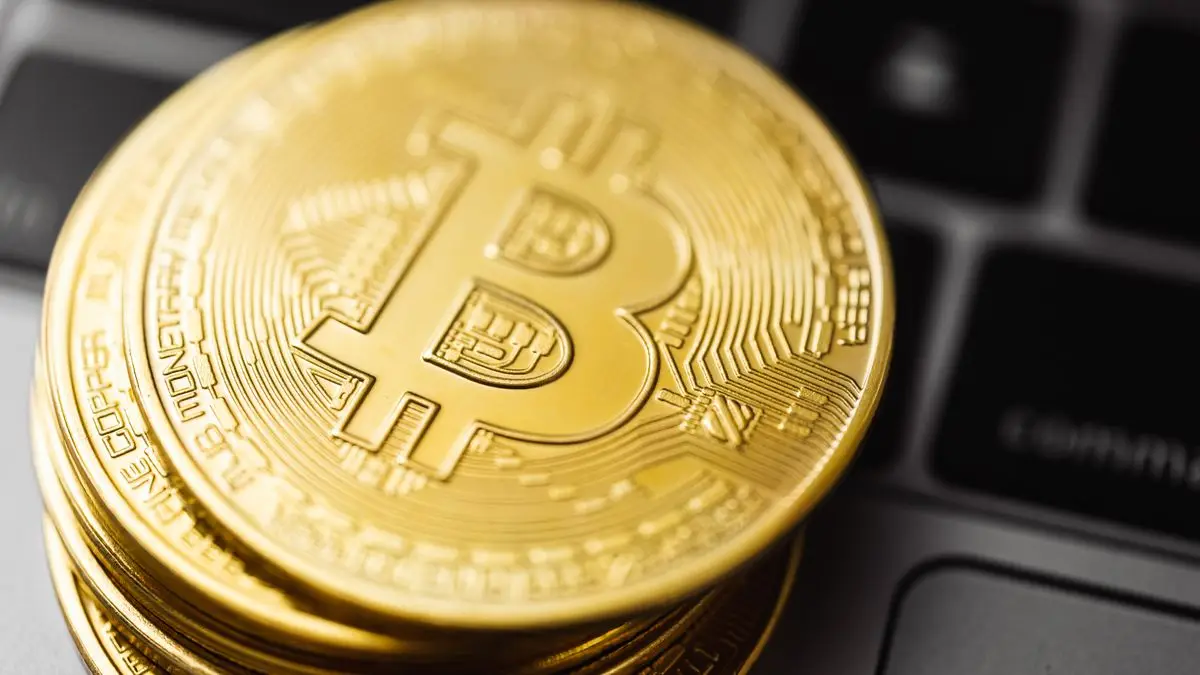
What a crypto exchange does for you
A crypto exchange is an online service where you can buy, sell, or keep cryptocurrencies. You'll typically need to create an account and provide some proof of identity before getting started.
With most centralized exchanges, it's possible to swap crypto for euros, dollars, or other coins. Identity checks (called KYC, or know your customer) are the industry standard, it’s required by many authorities to help stop money laundering and criminal activity. Not all platforms cover the same regions or accept the same payment routes, and account approval can run from a few minutes to a couple of days, depending on the provider.
Some places set their own prices instead of directly matching buyers with sellers. The way those models differ is explained in our comparison: crypto exchange vs broker.
How orders are matched on an exchange
On centralized exchanges, you’ll see an order book, an active list of buy and sell prices from users. The platform pairs up matching orders whenever prices overlap, and trades settle automatically. This happens at any hour, even weekends and public holidays aren’t excluded.
Exchange prices shift based on what users are prepared to pay or accept. Liquidity (how many buy and sell orders are on the book) controls how quickly and at which price your trade completes. If you try to buy a lot when hardly anyone’s selling, the rate can move against you. Digital assets can get volatile. There’s a genuine risk of loss in trading.
Custody, deposits and withdrawals explained
With centralized exchanges, your coins normally stay in wallets controlled by the platform once you deposit. This arrangement is called custody. So you’re depending on the exchange to hold the coins securely, process withdrawals, and return the right amount when you ask, unlike holding your wallet’s private keys yourself.
Deposits show in your account after the blockchain finishes confirming them. When you withdraw, the platform sends coins to an address you provide. This flow can include fees, lower limits, and sometimes a wait; those policies aren’t always the same everywhere, and exchanges sometimes halt withdrawals temporarily if there are security problems. Hacks and insolvency (the exchange can't pay what it owes) have led to lost funds before. Due diligence protects you, so check what security is in place before you send money. You’ll find practical selection points in our guide to how to choose a crypto exchange. Costs and fee types are broken down in our exchange fees article.
Suppose you buy bitcoin on an exchange
Let’s say you wire 500 euros to your exchange account. You place a market order, an instruction to buy at the best on-offer rate, for bitcoin. (Numbers here are just for illustration, not real quotes.) The platform matches your order with people selling bitcoin at current prices, and you now have bitcoin credited to your account, still held on the exchange.
The number you see in your account is simply what the exchange says it owes you, it’s not the same as storing bitcoin yourself in a private wallet. This simplified example leaves out the real impact of fees, the spread between buying and selling, and the exact rate you are given; those all shape the final outcome.
Frequently asked questions
Is a crypto exchange the same as a bank?
No. Banks accept deposits under a banking license, and most come with some kind of government-backed deposit insurance. Crypto exchanges let you trade and store crypto, but they aren't banks. If an exchange closes or runs out of assets, its customers usually aren’t covered in the same way. Always check the public records of your country’s regulator before setting up an account.
Can I withdraw my crypto from an exchange at any time?
In most cases, yes, you can request a withdrawal whenever you want. But withdrawals do sometimes get delayed or limited. Possible reasons include overloaded networks, extra security checks, issues with your verification, or site maintenance. Double-check the network and address details before sending coins, since errors there can mean it’s almost impossible to get them back.