Forex trading tax
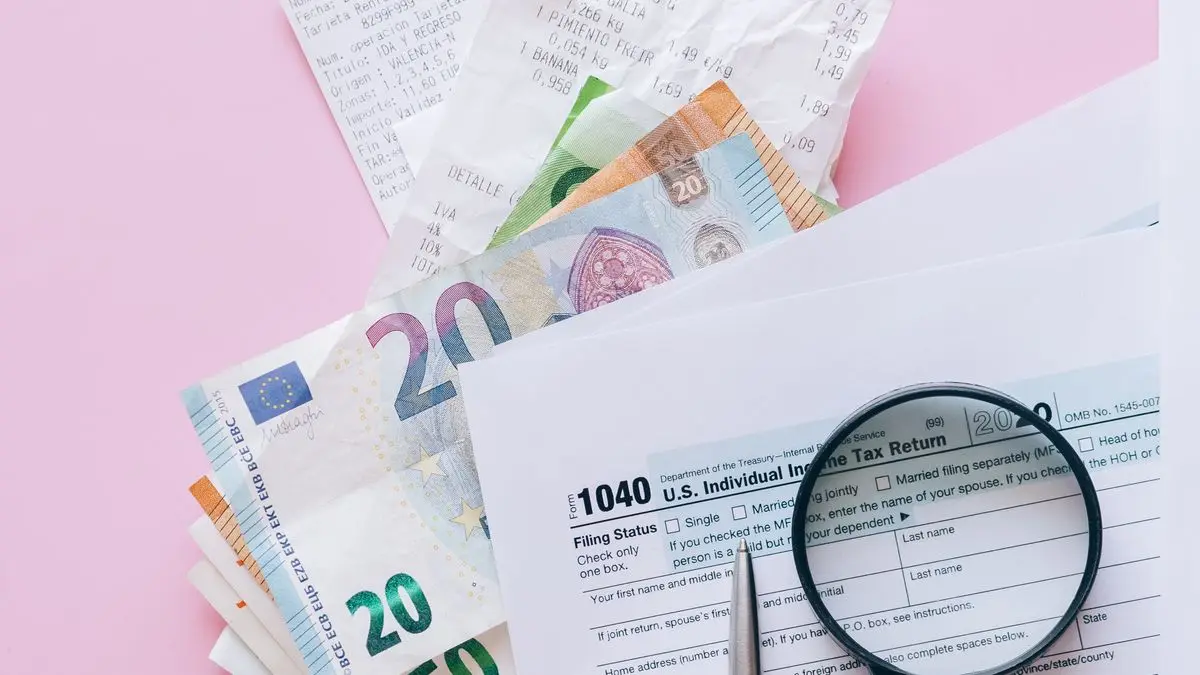
How forex trading profits are usually taxed
Forex trading tax rules explain how your currency trading profits and losses get taxed. There isn't a single answer for everyone. Your country, trading category and what you actually trade (spot, futures, CFDs or spread bets) all change the situation.
Retail traders have a few options. If you trade spot forex, you’re exchanging one currency for another directly. Most derivatives, like contracts for difference (CFDs), futures or spread bets, just give you profit or loss based on changes in price. You don’t hold the currency, and each of these products can face different tax rules, even on the same gain or loss. For detail about when tax rules see you as running a trading business, visit when trading becomes a business for tax.
How different countries classify currency trading
How your country labels forex profits can affect your bill. In some places, gains count as capital gains. Others treat them as income or business revenue. The United Kingdom, for example, often exempts spread betting profits from capital gains tax if you’re an individual, and losses there usually can’t be claimed, but other derivatives might still be taxed as gains.
In the United States, most spot forex trading shows up as ordinary income or loss. Certain regulated contracts are taxed in a way that combines both short-term and long-term results (this is set by a specific rule). The rules change once you cross a border; copying a friend in another country may leave out important details for you.
Losses, leverage and record keeping
Some tax systems let you subtract losses from gains if it’s the same type of trade. Others restrict losses, or only let you offset them within a certain group of products. Sometimes, losses don’t count for anything, so you can still end up with a tax payment during a losing year. To check what’s usually allowed, see how capital losses offset gains.
Using leverage (trading with someone else’s money) increases possible gains but also exposes you to larger losses. With leveraged forex, you may even lose more than you started with if your broker’s policies allow it. Keep precise records: trade dates, sizes, currencies, exchange rates, and all costs must be available for your tax return. Broker statements may not include everything you need.
Example: offsetting forex profits and losses
Imagine you trade currency derivatives over one taxable year. On one trade you earn 800 in your domestic currency, while another brings a 1,200 loss. If you can offset, your result is a net loss of 400.
If instead the losses are ring-fenced, you might have to pay tax on the 800 profit and only use the 1,200 loss against eligible gains. Sometimes, the current year’s loss sits unused. Two trades, identical numbers, different products: completely different tax consequences.
Frequently asked questions
Is forex trading profit taxed as income or capital gains?
This comes down to your location and how you trade. Some countries apply capital gains tax, some see profits as income or business receipts, and a few offer exclusions for certain products. The product, your trading frequency and the residency rules all apply. Always check official guidance for trading income in your country.
Should I get professional advice on forex trading tax?
Yes, if you’re trading often, using leverage or buying and selling across borders. A qualified adviser can clarify exactly how your local rules work and what paperwork is needed. The article is for general information. Before filing, confirm with your tax authority or get tailored advice from a licensed professional.