Moving your own savings abroad
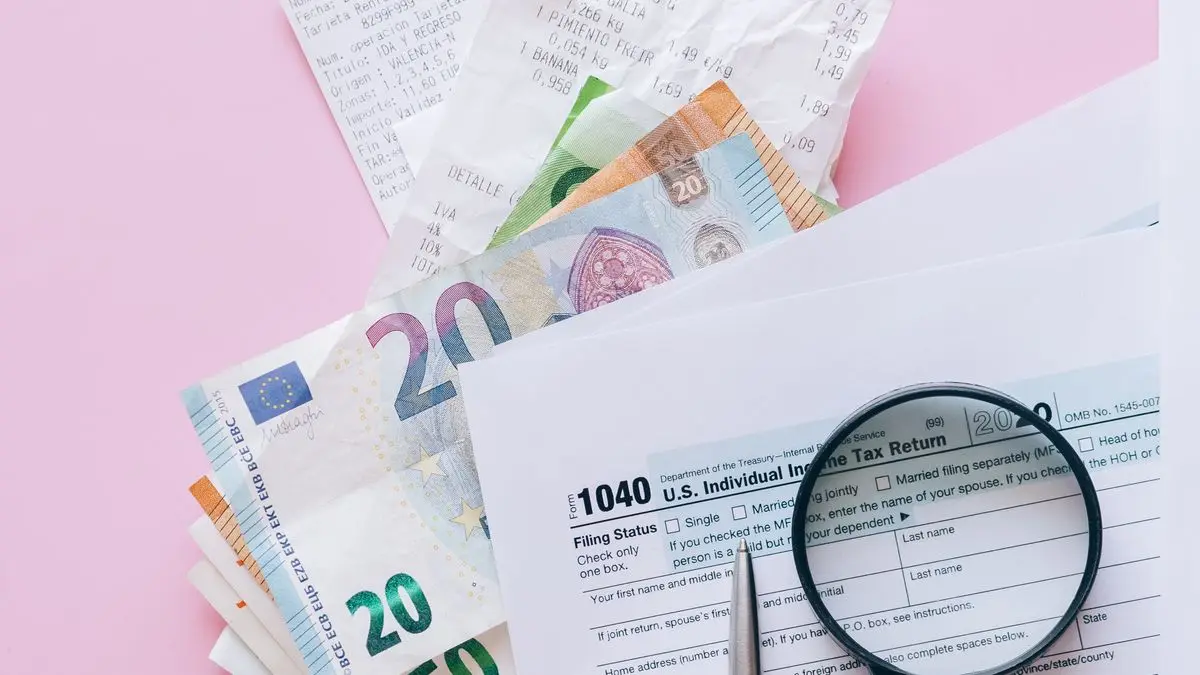
When is transferring your own money abroad taxable?
Transferring own money abroad tax is usually not due on the transfer itself, because you are moving savings you already own, often after they were taxed. Tax can still arise from what the money earns or gains while it is abroad, and from reporting duties that apply to foreign accounts.
A transfer is a movement of money, not income. A transfer between two accounts you own does not create a new profit. However, a large transfer can prompt banks and tax authorities to ask where the money came from, so keeping records of its source is valuable.
What can still be taxable when your savings move?
Three things commonly remain taxable or reportable after the money moves:
- Currency gains: if the money is converted and the exchange rate moves in your favour, you may have a currency gain. Some countries tax this and others do not. See whether gains from exchanging currency are taxable.
- Interest abroad: interest earned on a foreign account is usually taxable where you are resident.
- Reporting duties: many countries require residents to declare foreign accounts, separately from paying tax on them. See whether you need to report foreign bank accounts.
Why documenting the source of funds helps
The source of funds is the explanation of where money came from, such as salary, the sale of a property or an inheritance. Banks in many countries ask for this under anti-money-laundering checks, which are rules designed to stop the proceeds of crime entering the financial system. Tax authorities may ask for the same evidence.
Keep payslips, sale contracts, tax returns and bank statements that show how the money was earned or received. Moving savings can also raise questions when you change residence. Some countries tax unrealised gains when a person leaves, and those rules are covered in exit tax: what happens to gains when you move abroad.
Worked example: moving savings after a job abroad
Suppose a person saves 40,000 euros from wages earned in country A, then moves the money to a bank account in country B, where they now live. This is a hypothetical example. The transfer is between accounts the person owns, so moving it does not create income.
Now suppose the euros are converted into another currency and the exchange rate moves in the person's favour before the money is spent. In this case the gain may be taxable in some countries, while others tax only the interest earned. Keeping the original bank statement and the conversion records shows that the money came from earnings that were already taxed.
Frequently asked questions
Do I have to pay tax when I move my savings to another country?
Usually not just for moving them. A transfer between your own accounts is not normally income. However, interest, currency gains and gains on investments held abroad may still be taxable where you live, and foreign accounts may need to be declared.
Do banks ask where my money came from?
Often, yes. Many banks ask about the source of funds for large transfers or new accounts, as part of anti-money-laundering checks. Keep records such as payslips, sale agreements or inheritance papers, so you can show where the money came from when asked.
Should you speak to an adviser before moving a large sum?
Yes, particularly for large sums or a change of residence. Tax rules on foreign accounts, currency and residence differ between countries and can change. Check with the tax authority in both countries, or with a qualified tax adviser, before you move a large sum. This is general information, not tax advice.