Coin vs token explained
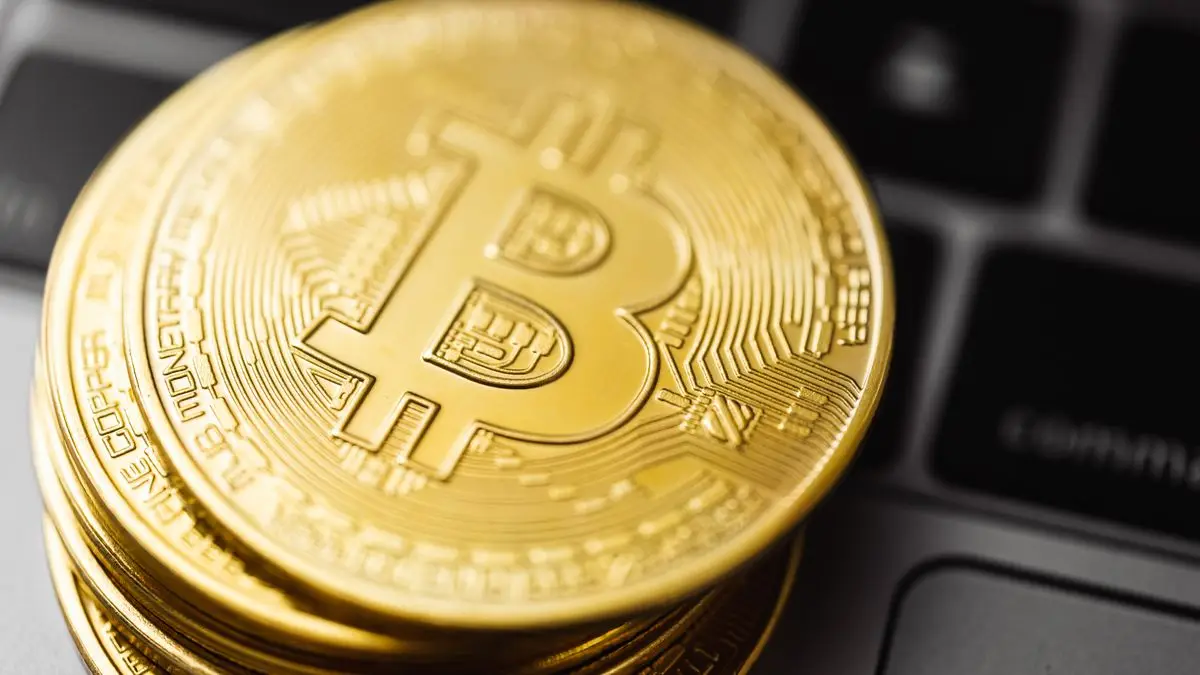
What a coin is and what a token is
A coin means the main currency running on its own blockchain. When you see Bitcoin (BTC) on the Bitcoin network or ETH on Ethereum, you're looking at coins. By contrast, a token is something created by a smart contract (that's an application running automatically on another blockchain) and issued on top of an existing network. Tokens use someone else's infrastructure to move and record balances, and each one follows the rules built into its contract.
Ethereum itself is covered in our guide to what Ethereum is.
If you pay a fee to move value or reward miners on a chain, you're paying with its native coin. Tokens don't have that role. Instead, a token's record sits on the blockchain it uses, and you transact under its smart contract's rules.
Companies, projects, or even communities issue tokens, and the range is broad. For instance, they might represent deposits for a stablecoin, points in a reward program, or the right to access a digital platform. The fact that something is a token doesn't tell you if it's valuable, well-managed or safe.
Why the network matters when you send
Since a token is tied to its issuing network, you're required to send it through the same network. Some tokens get copied onto other chains, meaning you'll find different versions, and each must stay on its own chain. Mixing up these versions can lead to your money getting lost or stuck, especially if you send to a wallet or exchange that watches the wrong network. For more about how tokens work on each kind of chain, see our guide to ERC-20, TRC-20 and BEP-20.
You'll also notice that tokens need a small balance of the network's native coin to pay transaction fees. For example, shifting an Ethereum token (like USDT-ERC20) still burns a bit of ETH per transaction. It's the network that sets the fee and determines if your wallet can handle your asset, not just the label on the token itself.
How to tell whether an asset is a coin or a token
To find out, check the official documentation or look up the asset using a blockchain explorer (that's a site that displays blocks, contracts and transactions for public record). If your asset stands on its own blockchain, it's a coin. If you see it as a contract address instead, you're looking at a token. The contract address identifies the smart contract making the rules for that asset.
Be cautious. Branding can mislead you, plenty of tokens use names or logos made to resemble those of better-known coins. Scam tokens exist that try to appear legitimate. It's a good idea to verify both the network and the exact contract details before trading, storing or sending. You'll also spot that while popular coins tend to trade in heavy volumes, tokens may have fewer trades, which means their prices can swing more and you could face losses.
Frequently asked questions
Is a token worth less than a coin?
Not always. The price reflects what people are willing to pay for it, how it can be used and how easily it trades, sometimes called liquidity. Some tokens have a higher market value than plenty of coins, yet many tokens hardly trade at all. Being a coin or a token signals nothing about guaranteed value, and crypto is known for volatility.
Do tokens and coins use the same wallet?
Sometimes they do, but only if your wallet is set up for both the specific network and the token standard. For instance, a wallet that's up-to-date for Ethereum might let you hold any ERC-20 token, although it won't show you tokens on another blockchain. Make sure beforehand that your wallet supports the network and the asset you're interested in. If unsure, try out a small transfer first if that's an option.