What is a satoshi?
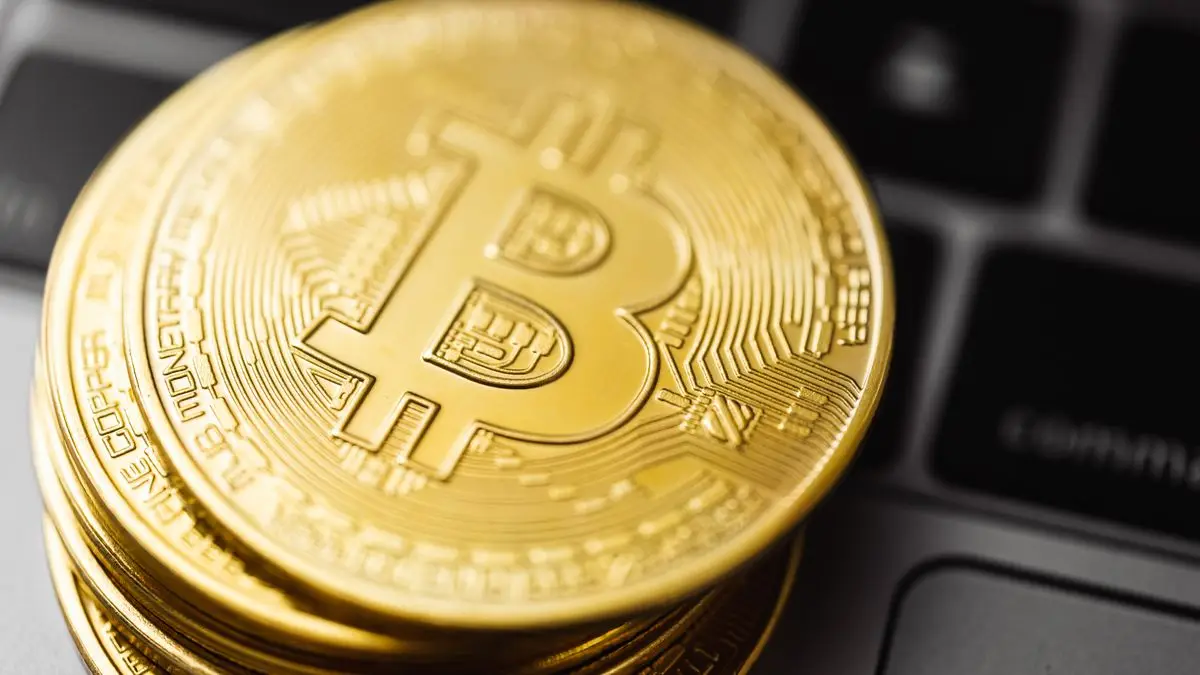
A satoshi is the smallest unit of bitcoin
If you want to know what a satoshi is, it's the smallest possible piece of bitcoin you can own or transfer. One satoshi represents exactly one hundred-millionth of a bitcoin, so that's 0.00000001 BTC per satoshi.
You might see it called a 'sat' for short. This unit takes its name from Satoshi Nakamoto, the creator (or creators) behind bitcoin's design. With bitcoin, you can go down to eight decimal places. So, a single bitcoin contains 100,000,000 of these sats. That's not just a fun fact: the software records every amount as a whole number of satoshis rather than decimals, so you don't run into the sort of rounding issues you get with regular floating-point math. If you're looking for more background, our article on what bitcoin is and why its supply is limited covers that in more detail.
You never have to buy a full bitcoin
One bitcoin costs more than most people spend in a typical purchase, and the price moves up and down quite a bit. The good news is, you're absolutely not required to buy a whole one. You can pick any amount that suits your budget, as long as it's above the minimum that your cryptocurrency exchange or broker requires. Most buyers actually start with a smaller amount, maybe just enough for a first try, and never come close to purchasing a full BTC.
But when you're sending a small amount, it's worth knowing that you still pay a bitcoin network fee. This fee isn't based on the amount you send; it's linked to the size of your transaction (in bytes) and how congested the network is at the moment you send it. If you're transferring just a few euros' worth, the fee might eat up a decent share of what you're sending. Take a look at our bitcoin transaction fees guide for more information on how these charges work.
How prices per satoshi can appear
It's common now to see apps, wallets, or exchanges quote prices in sats. For most people, seeing 1,000 sats makes for a much clearer figure than reading 0.00001 BTC on a screen. When you check a rate that's listed as sats per euro, it simply tells you the number of satoshis you could buy for one euro at that moment. This number isn't fixed, it shifts all the time alongside the price of bitcoin.
If you want to break down a price per sat on your own, just take the full price of bitcoin and divide it by 100 million. Many platforms show you not just the headline rate but also your payout after fees. That net figure is what you'll actually receive. Compare these, not just the rate, and remember that you might get a slightly different amount than quoted, especially if the price moves while your order is pending. Bitcoin's value can drop as well as rise, which means you might get back less than you put in.
Suppose you buy 50,000 sats
Let's say you're thinking of buying 50 euros worth of bitcoin, and for the sake of the example, one bitcoin goes for exactly 100,000 euros today. This isn't the real market price; it's just to make the math simple. At those figures, your 50 euros will buy 0.0005 BTC, convert that, and you'll have 50,000 sats.
And in reality, both the price of bitcoin and your platform's fees will affect how much you actually get. Fees, the buy-sell spread (the gap between the price to buy and the price to sell), and any other charges will reduce the final number of sats that end up in your account.
Frequently asked questions
Do I need to buy a whole bitcoin?
No, you don't. Bitcoin is divided into satoshis, so you're free to buy just a small fraction (or more, if you want), as long as you meet the minimum set by your provider. Most platforms let you type in how much to spend in your currency first, and they'll handle the math. There's no difference in the buying process, whether you're buying part of a coin or a whole one.
Why is bitcoin divided into 100 million units?
Bitcoin's code is structured this way, so all amounts are saved as whole numbers of the smallest possible unit: the satoshi. Eight decimal places allow the currency to handle tiny payments and keep price displays manageable for users. This division does not mean more bitcoins exist in total; the maximum possible is still fixed at 21 million. It's just a finer way to measure and use them.