What is bitcoin?
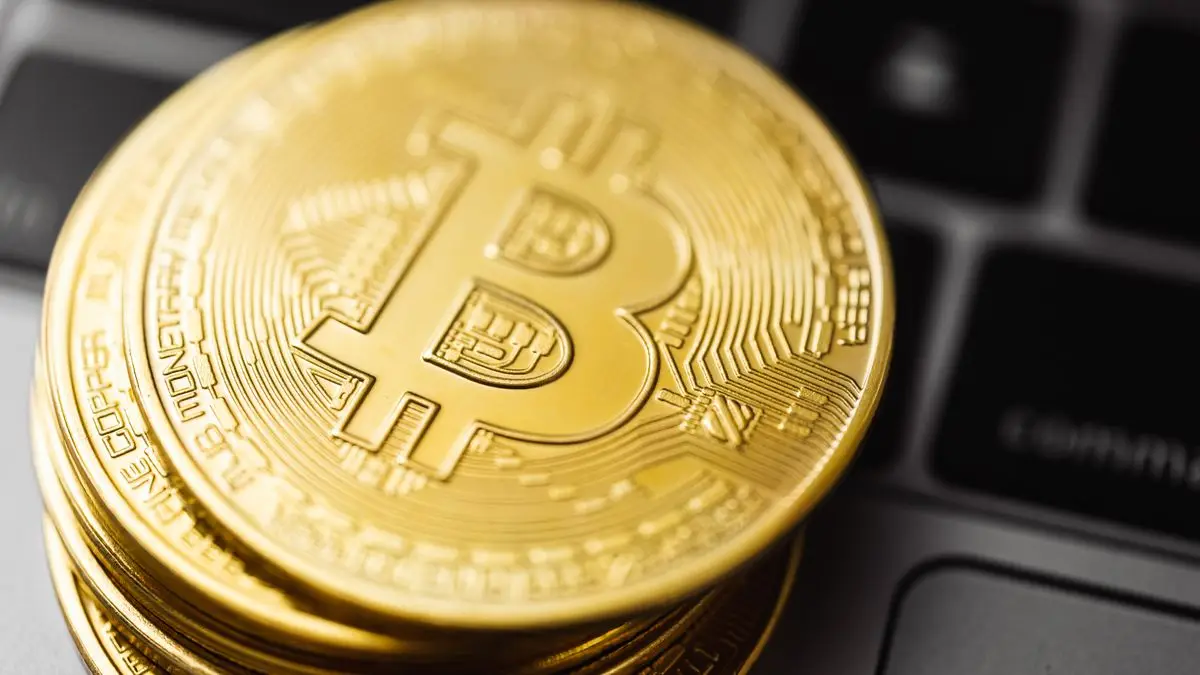
Why bitcoin was created and what it is for
Bitcoin lets you send digital money to someone else without a bank or payment company handling the transaction. It is a form of electronic cash, designed so you don’t need a central authority to make payments work.
The network launched in 2009 after a 2008 white paper written by someone (or possibly several people) under the Satoshi Nakamoto name. Nobody has confirmed who that really was. Their goal was to offer an online payment system outside of banks, with transfers recorded in public for anyone to check. The network is open, and you can join simply by running the software on your computer. Every transfer is listed on a shared, public record called the blockchain. You’ll see references to satoshis, which are small units of bitcoin. You can get more details in our guide to what a satoshi is.
The fixed supply of 21 million coins
The software that runs bitcoin sets a maximum limit: 21 million. Not one more. Every copy of the network’s code, on servers and users’ computers alike, checks for this cap. When miners process payments and add new blocks, they receive some new bitcoins as a reward, but this amount falls by half at intervals.
This reduction, called the halving, occurs about every four years. Each time, the rate at which new coins appear slows down, and these events are covered more fully in our bitcoin halving article. Many people who support bitcoin see this fixed cap as protection from inflation, when an unlimited supply of currency causes prices to keep rising. Others contend that making coins rare isn’t enough to make them practical, and in fact, the price of bitcoin moves unpredictably regardless of scarcity.
How bitcoin differs from other cryptocurrencies
Bitcoin was the first cryptocurrency, but today there are many alternatives. These coins, sometimes referred to as altcoins, often use other mechanisms to offer things like lower costs, faster transfers, more privacy, or functions you’d see in a ‘smart contract’ (which is a small program that can run on a blockchain).
Bitcoin stays focused. Its design is simple, or single-purpose, depending on your view. The entire system is primarily for value transfer. You won’t find as many extra features as you might with coins such as Ethereum. Transfers can sometimes take a bit of time to confirm, and when activity surges, fees might climb. The price history of bitcoin is full of sharp movements up and down. If you decide to buy, know that you’re exposed to potential losses. For instructions on purchasing your first bitcoin, see our step-by-step guide here.
Frequently asked questions
Is bitcoin a good investment?
This is not investment advice from GoldexPay. Bitcoin’s price can drop rapidly, and there is a real risk of losing money. Whether it makes sense for you depends entirely on your particular financial situation, what you plan to achieve, and how much loss you’re willing to accept. Before investing, you may wish to discuss your options with a licensed financial adviser.
Who controls bitcoin?
Bitcoin doesn’t have a central controller. There’s no corporation or government running the show. The core software is open source, so everyone can inspect and even suggest improvements. Proposed changes only take hold if developers, those running full nodes, and miners all reach a broad agreement. Because enforcement happens across thousands of separate systems, there’s no simple way for anyone to alter the supply limit or other main rules unilaterally.