Foreign tax credit explained
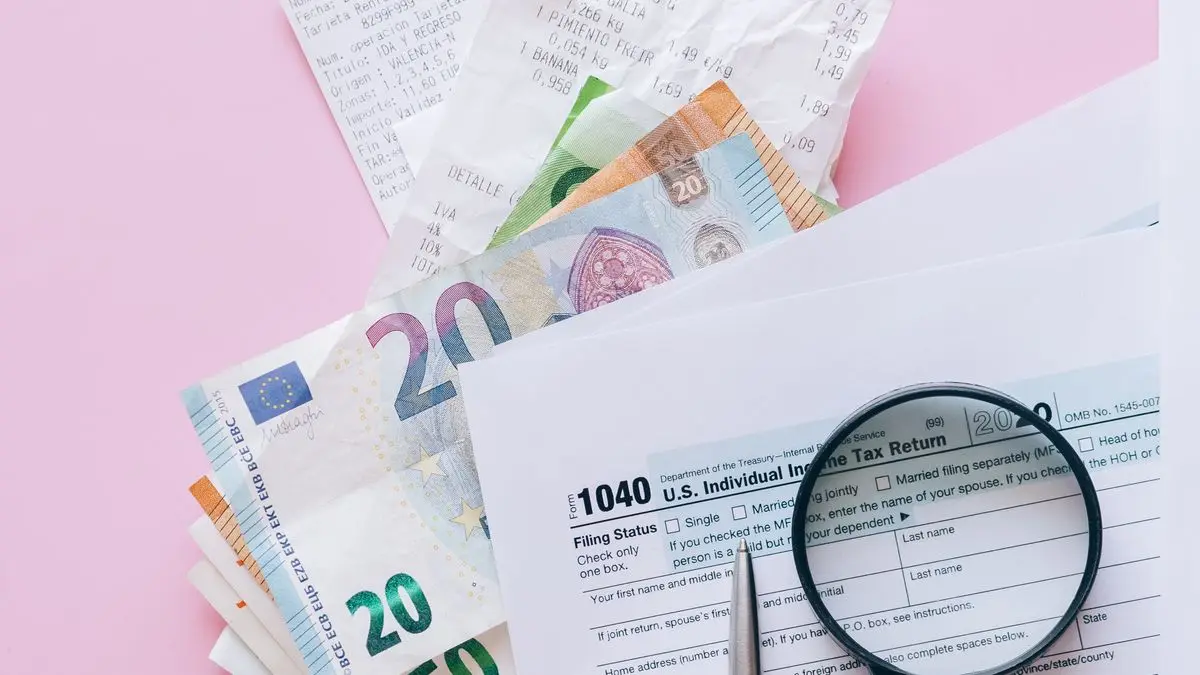
How a foreign tax credit works
When you earn income abroad and pay tax on it there, you can often reduce your home-country tax bill by claiming a foreign tax credit. This deals directly with double taxation. Without it, both your home tax authority and the foreign one could expect tax from you on the same payslip, savings account interest or dividend. With the foreign tax credit method, your country calculates your domestic tax on the gross (pre-tax) foreign income, then subtracts the amount you already paid overseas, so long as it doesn’t surpass what you’d owe at home for that same slice of income. That means you won’t get a bigger credit just because another country taxed you at a higher rate. And depending on tax treaties, some of the foreign income may already be covered, as described in how double tax treaties prevent double taxation.
Comparing the credit and exemption methods
Your country might use a credit, an exemption, or a blend, sometimes changing the method depending on whether you’re reporting foreign earnings from a savings account or a business sale. Here’s the difference:
- Credit method: You include your foreign income in your taxable amount at home, pay the home tax, then get a credit for what was already paid abroad. The United States often applies this approach on different kinds of overseas income.
- Exemption method: Some countries exclude certain foreign income entirely, say, profits from a business you own overseas. No home-country tax, no credit to claim.
- Exemption with progression: The foreign income isn’t taxed at home, but it does affect your tax rate by being used to work out what bracket your other domestic income falls into. That can result in higher domestic tax on what’s left. This approach appears in some European systems for income types like foreign self-employment pay.
Which route applies depends on both the kind of income you have and the tax laws where you’re resident. You’ll need to refer to your country’s specific rules.
Credit limits and which taxes qualify for relief
The credit only goes so far: it can’t exceed what you would pay on that foreign income at domestic rates. If you paid more abroad, the extra amount could be lost unless your country allows limited carryback or carryforward across years. Some countries put foreign income into separate categories, such as investment versus salary, so credits often can’t be swapped between them. Proof is important. You’ll likely need receipts or assessments issued by the foreign authority to evidence the actual tax paid. And not every charge counts: for example, certain licensing levies or capital duties aren’t recognized as income taxes, so they won’t be creditable. For how withholding tax applies to payouts from foreign employers or investment funds, there’s more detail in what withholding tax is on foreign income.
A calculation: credit capped by domestic tax rate
Take this case. A resident in country A receives a 1,000 dividend from a company in country B. The numbers here are just for demonstration. Country B takes 250 as withholding tax, 25 percent on the payout. Country A would charge 15 percent if the income had come from home companies, so that would be 150 in tax.
The resident can claim up to 150 as a credit. The balance, an extra 100, can't be used. In effect, 250 is taken in tax overall, which is higher than what country A would charge on its own. The extra 100 can’t be claimed back from country A, only possibly reclaimed from country B if their tax office allows it.
Frequently asked questions
Is a foreign tax credit a refund?
No, a foreign tax credit reduces what you owe at home. It doesn’t send any money back from the foreign country. You won’t receive the difference from your home tax authority if foreign tax goes above the allowed credit, though you may have the option to apply for a refund from the country where you paid the tax originally.
How does a credit differ from a deduction?
A credit directly lowers the final tax bill, pound for pound or euro for euro. A deduction, on the other hand, only reduces your taxable income. That means its actual effect depends on what rate applies to your income band. In general, a credit will tend to save you more tax than an equivalent deduction, but you’ll need to check the rules for your particular situation.
Should you confirm the way your country gives tax relief for foreign income?
Yes, always double-check. Each country has its own relief rules, cutoff thresholds and acceptable documentation. They can change, sometimes with little notice. Check details with your domestic tax authority, or use a qualified tax adviser’s help before you file any return that includes foreign income. This page gives you the key concepts, but it isn’t personal tax advice.