Foreign crypto exchange reporting
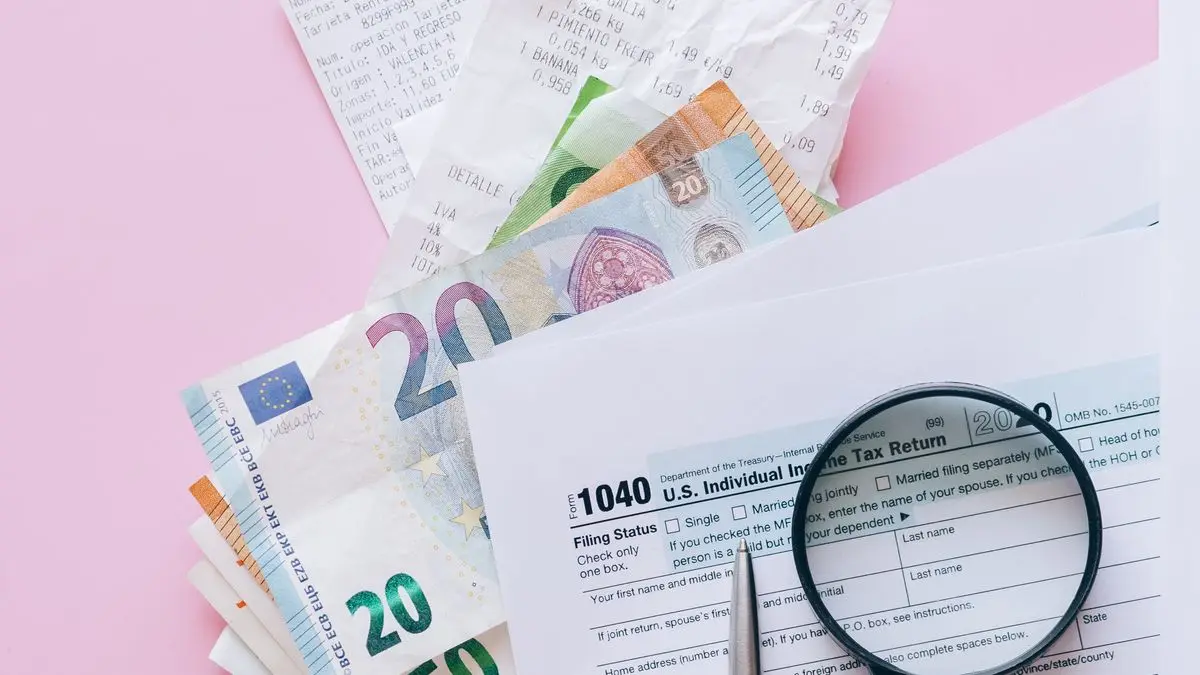
Do crypto exchange accounts abroad count as foreign accounts?
Whether you need to report foreign crypto exchange account holdings comes down to your home country’s laws. Some countries treat crypto stored on exchanges outside their borders as foreign accounts, with all the same rules as foreign bank or investment accounts. Others have set out different standards for crypto, and there are places where guidance isn’t clear yet. Prices for crypto can change very quickly, and you could lose some or all of your funds.
The important detail is whether the exchange actually holds your coins and tokens for you (so-called custodial accounts), or whether you control the assets directly. Your reporting responsibility depends on this distinction, it can even change which forms you use. For more about reporting non-crypto accounts, see reporting foreign bank accounts.
How self-custody wallets differ from exchange accounts
If you keep your crypto in a self-custody wallet, a hardware device or software where you’re the only one with the private keys, no exchange or third party is holding your funds. Countries rarely treat wallets like these as foreign accounts, though the rules are not always spelled out. Reporting requirements for wallets are much less established than for exchange accounts.
However, activity on these wallets can still create taxes. For instance, a transfer between your own wallets isn’t usually a sale, but exchanging crypto for another coin, or earning income in crypto, counts as a taxable event where it happens. Keep detailed records of addresses, movements and which wallets you control [tax authorities can ask you to show you owned the wallet at a specific time].
Why exchange location and licensing matter
You might use an exchange that’s based in one country, but open your account from another. Before trusting an exchange, check if it’s actually registered or licensed by a national financial regulator. Look the regulator up in the official public register, don’t rely on what the exchange’s website says about its status.
But the fact that an exchange is licensed somewhere doesn’t affect whether you have to report it as a foreign account. Tax authorities expect you to declare gains and income from these accounts wherever the exchange is located. If you don’t keep complete records, reporting is much more difficult. The EU and OECD are also bringing in automatic sharing of crypto account data (see DAC8 and CARF for more).
Frequently asked questions
Do I have to report crypto if I only used a foreign exchange briefly?
You might have to. Even if you held funds there just for a short time, selling or swapping crypto may trigger a tax report. Some countries require disclosure as soon as you open an account abroad, no matter for how long. Some will ask about the highest annual balance instead. You’ll want to check the requirements for your country and save records for all foreign exchange accounts, including any you already closed.
What if I did not report a foreign crypto account in the past?
If you left a foreign crypto account off an earlier tax declaration, the tax office may classify it as incomplete reporting, which brings a risk of fines or interest. In many countries, there are ways to fix this, such as voluntary disclosure programs. Coming forward before being contacted by the tax authority often reduces any penalty. Read correcting unreported crypto or foreign income for a quick overview, and then ask your tax authority or a specialist to be sure about your specific exposure and any time limits to act.